(Free) Circular Sprints 02: Financial Strategy for Circular Growth
NOV 2026
With a series of events, a community, publications and accelerator programs, we bring together entrepreneurs, investors, consumers, government, corporates, and other organisations to accelerate positive change in the food sector. Interested? Join our Food Ecosystem!
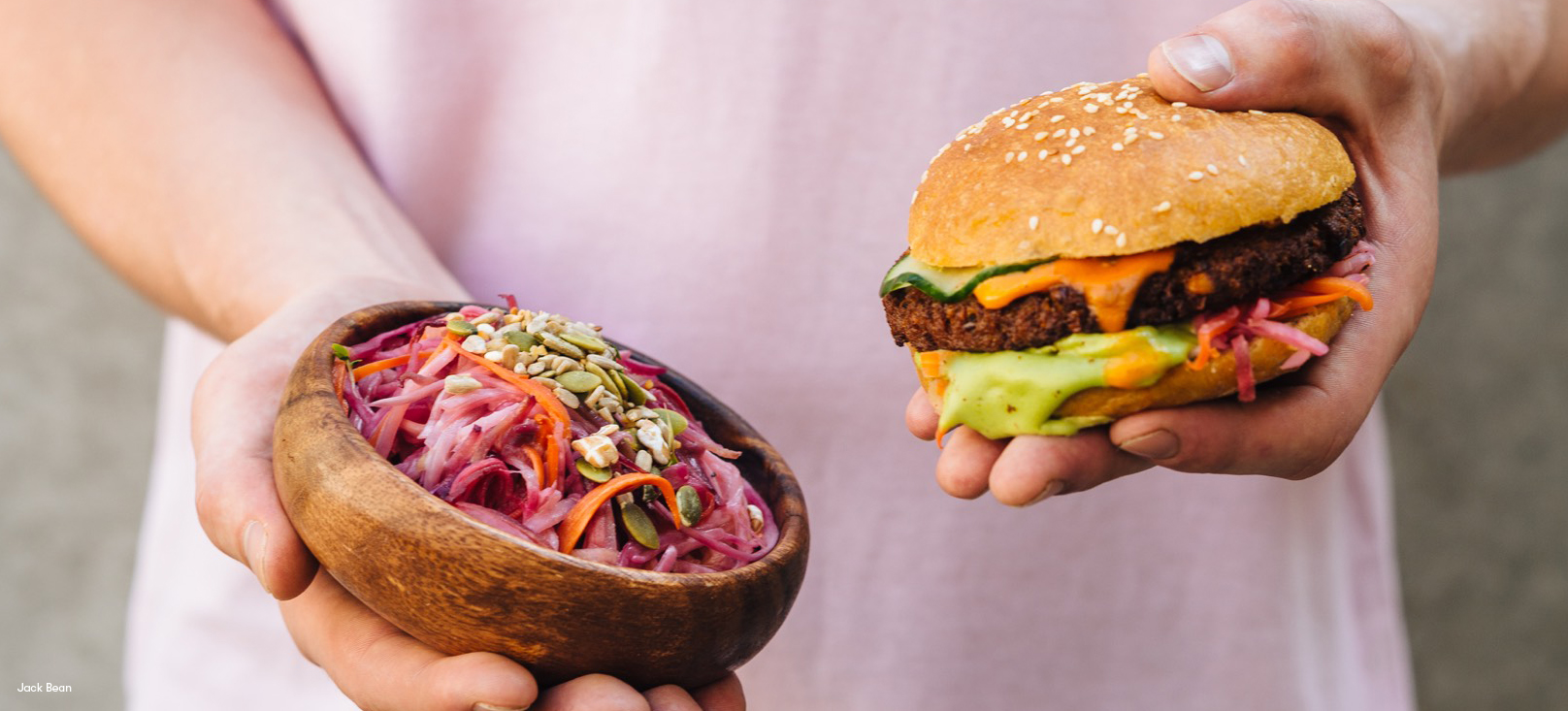


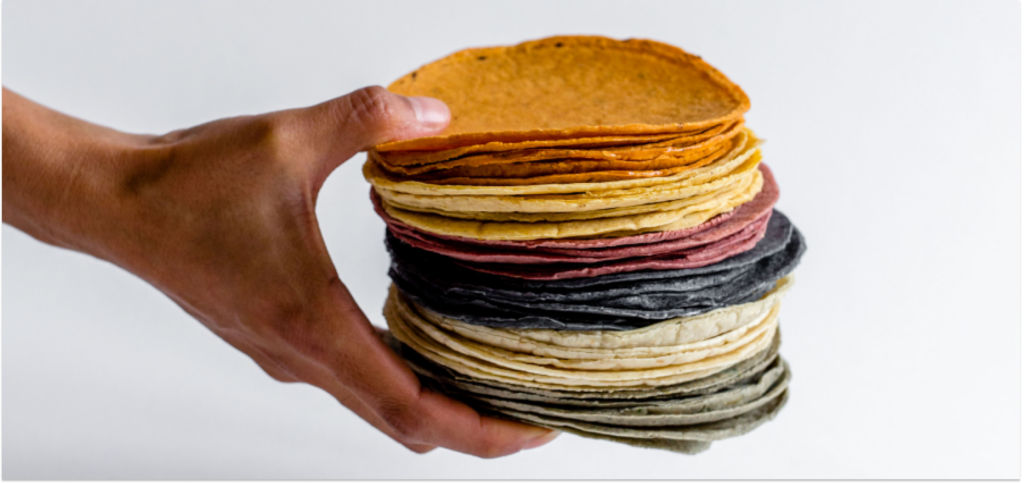

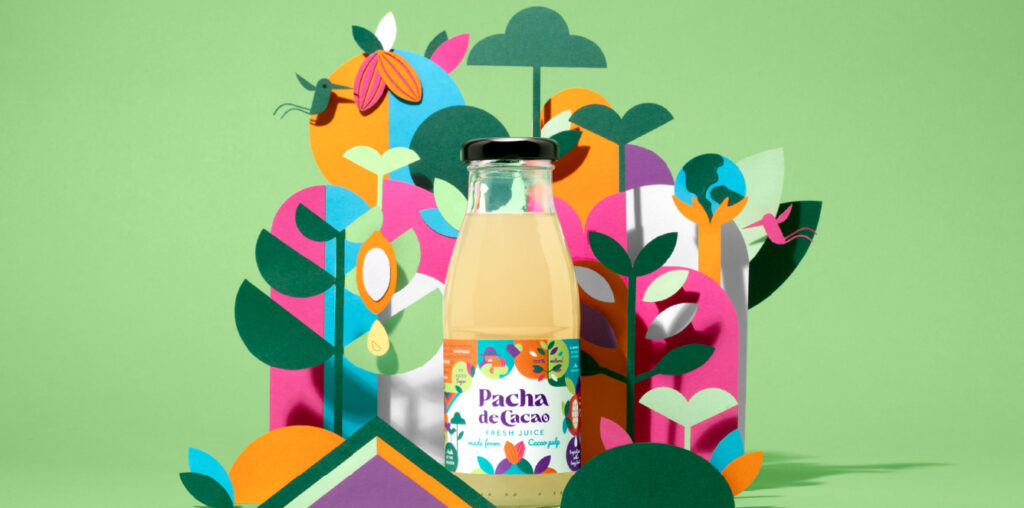
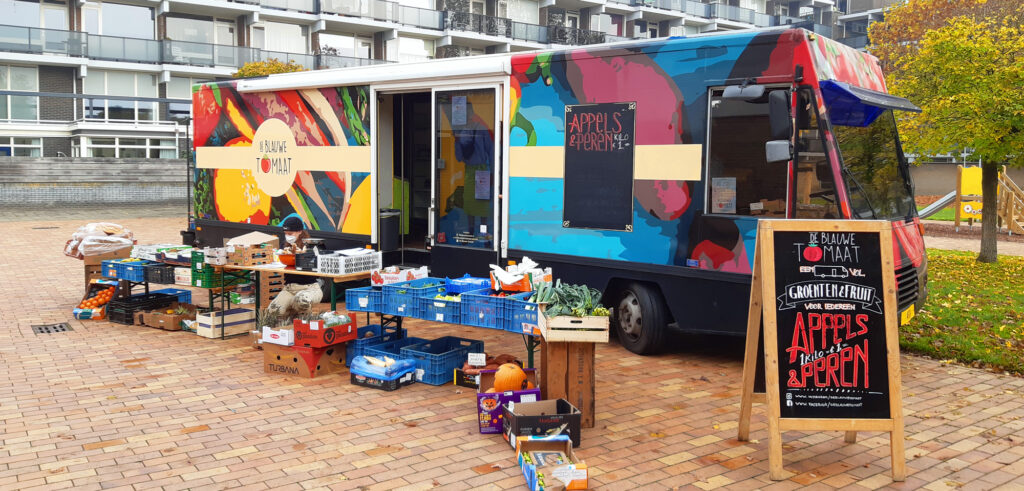

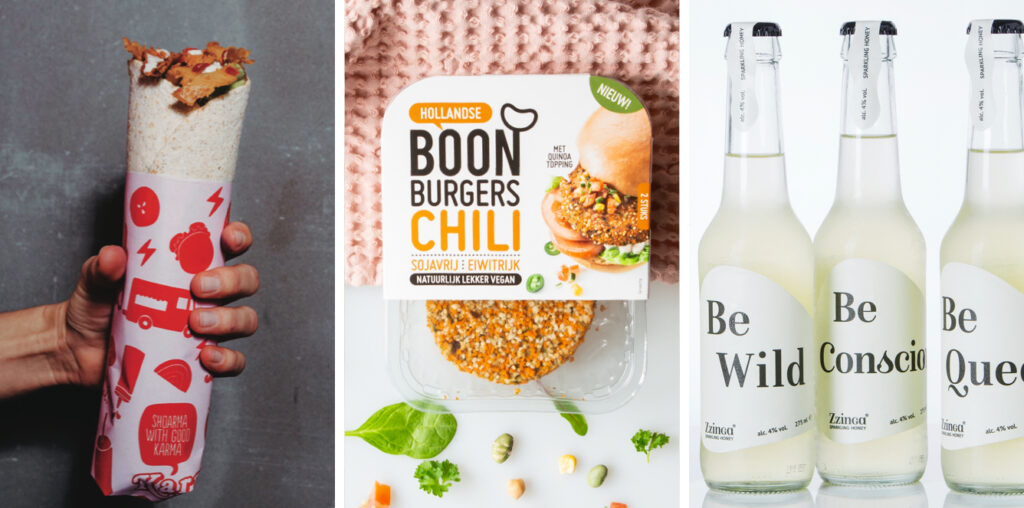
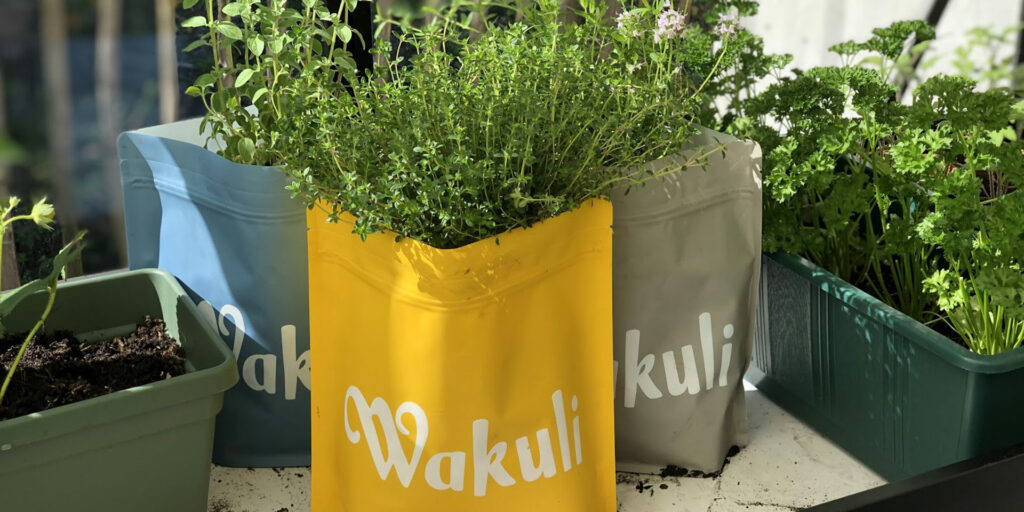
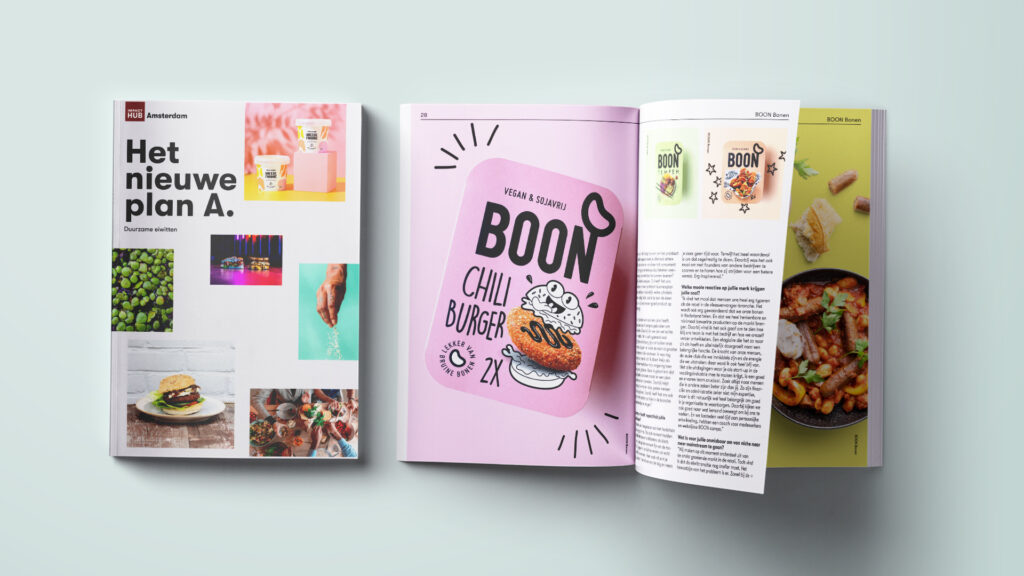
This report is about the future of proteins. To keep feeding our ever-growing population, we need to find good alternatives to animal protein. Thankfully, innovations in this area are cropping up thick and fast. The trends we see there are many. Download our report.
Download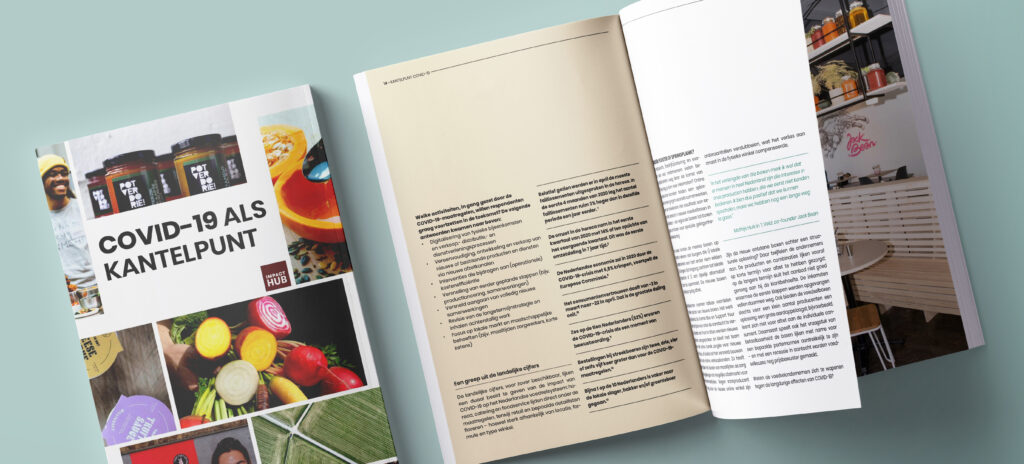
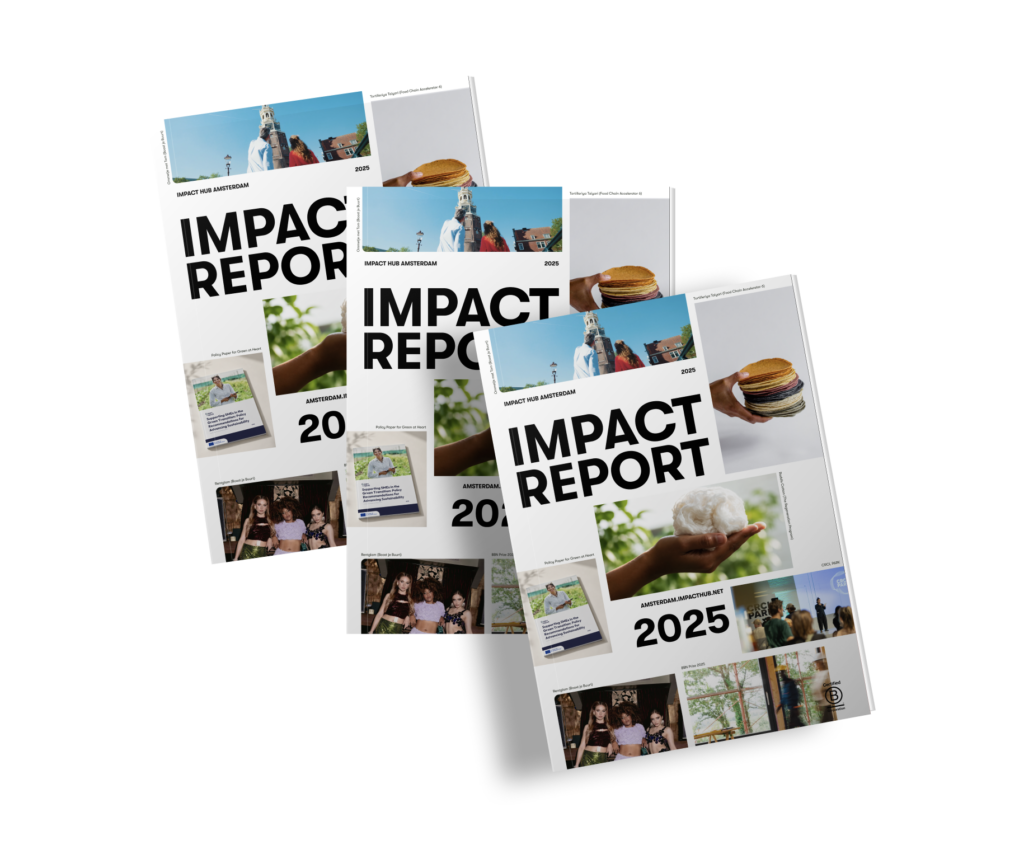
Climate change. Loss of biodiversity. Famine and obesity. A national nitrogen crisis. Our current ways of food production and consumption are not sustainable. This report investigates two timely questions: how has Covid-19 impacted sustainable food entrepreneurs? And how should Impact Hb Amsterdam proceed to leverage its Food Ecosystem to accelerate the transition to a sustainable food system?
Download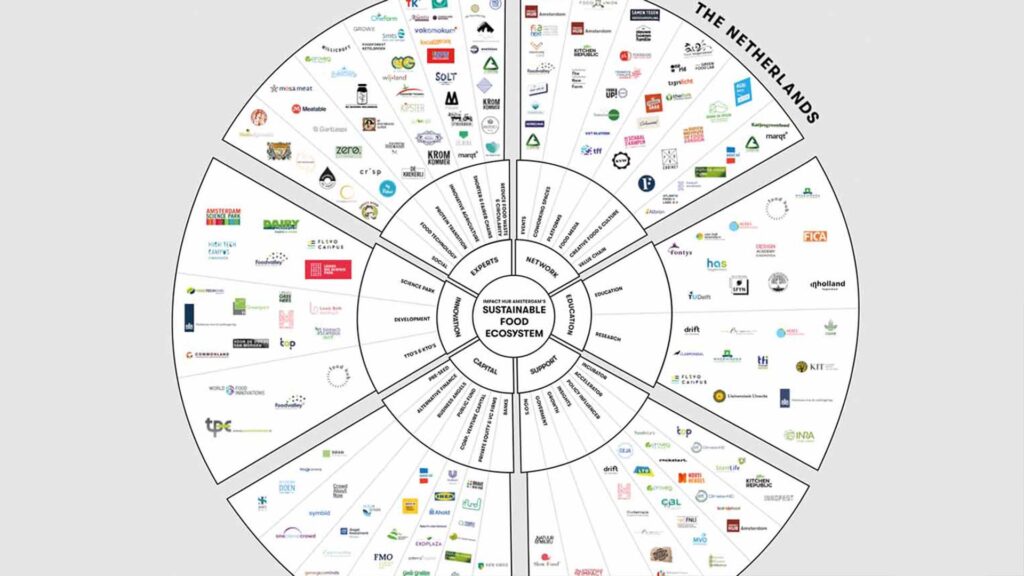
We proudly present our map of the Sustainable Food Ecosystem in the Netherlands. With the people and organisations of our sustainable food ecosystem, we’ve created 4 publications, 12 events, and 7 growth programmes, and accelerated 51 food startups since 2019!
See map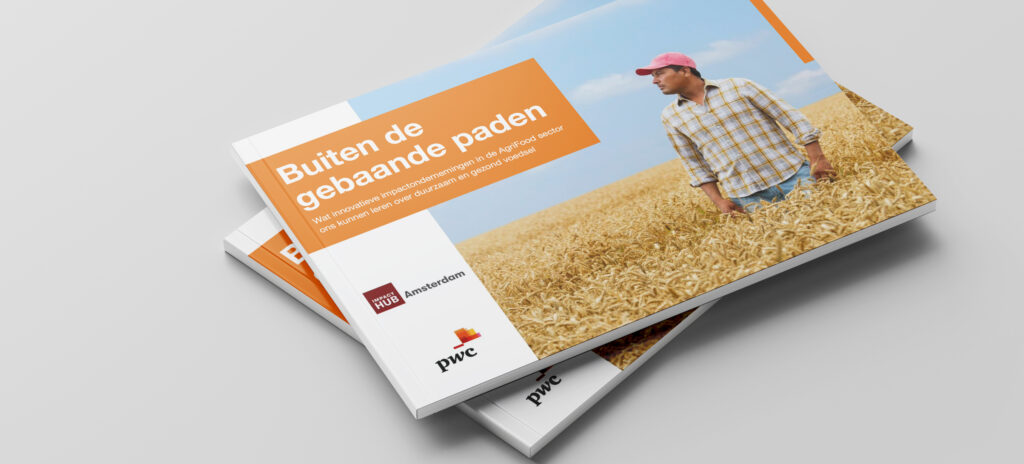
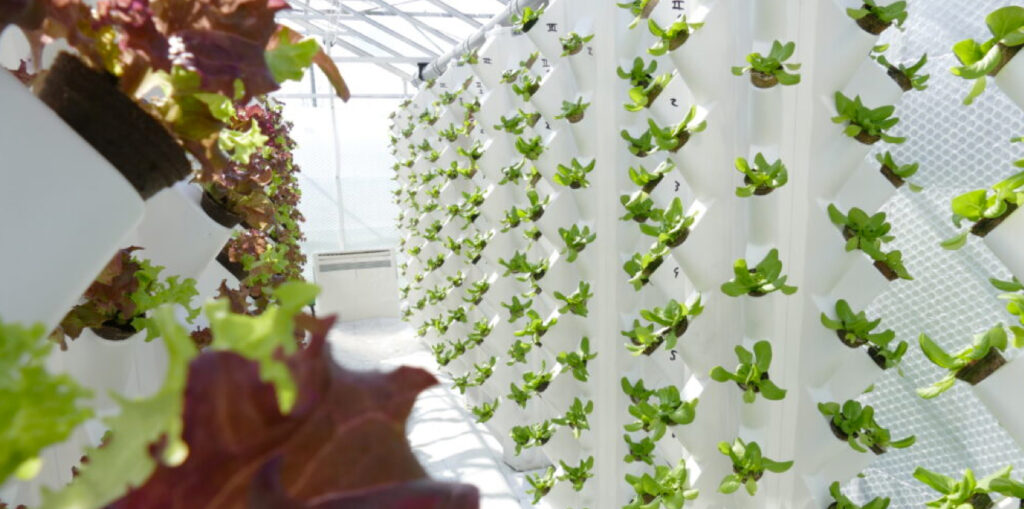
Throughout the food chain – from soil to mouth – people and organisations are working on ways to make the food system healthier and more sustainable. They try to produce with less and less impact on the environment and climate, generating less waste and with more attention to animal welfare. Impact enterprises place this kind of issues at the center of their business operations.
Download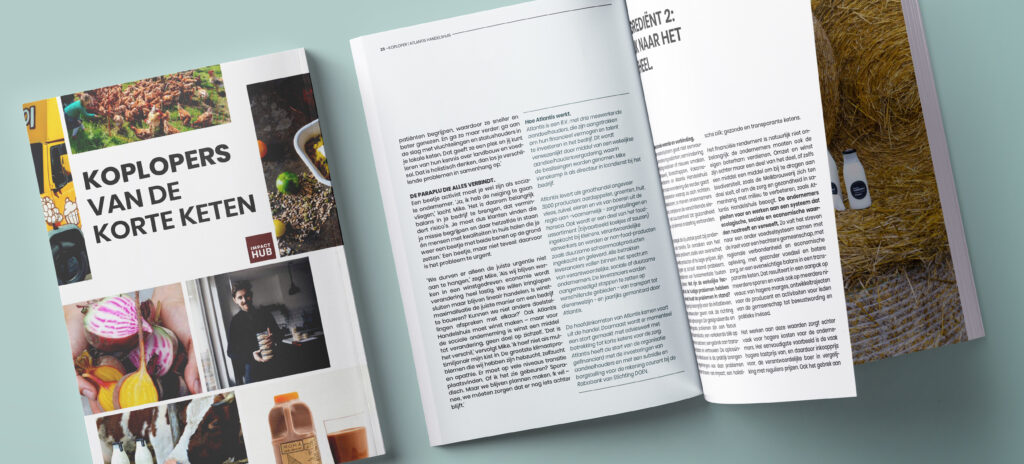
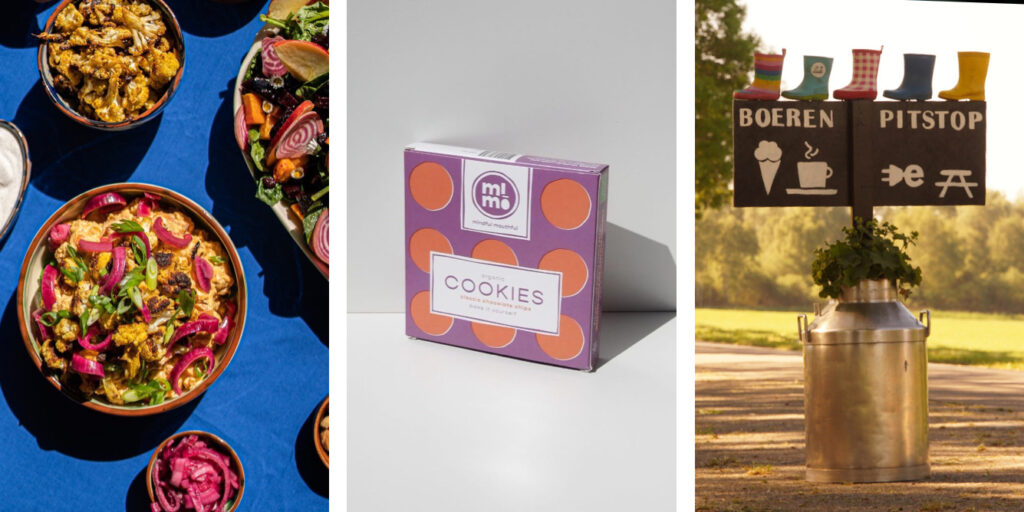
In this report, five cutting-edge pioneers of the short food supply chain discuss their drive and their mission. The founders of De Melkbrouwerij, Herenboeren, Boerschappen, Vokomokum & Atlantis Handelshuis use innovative, short-chain business models to build a fundamentally different system.
Download