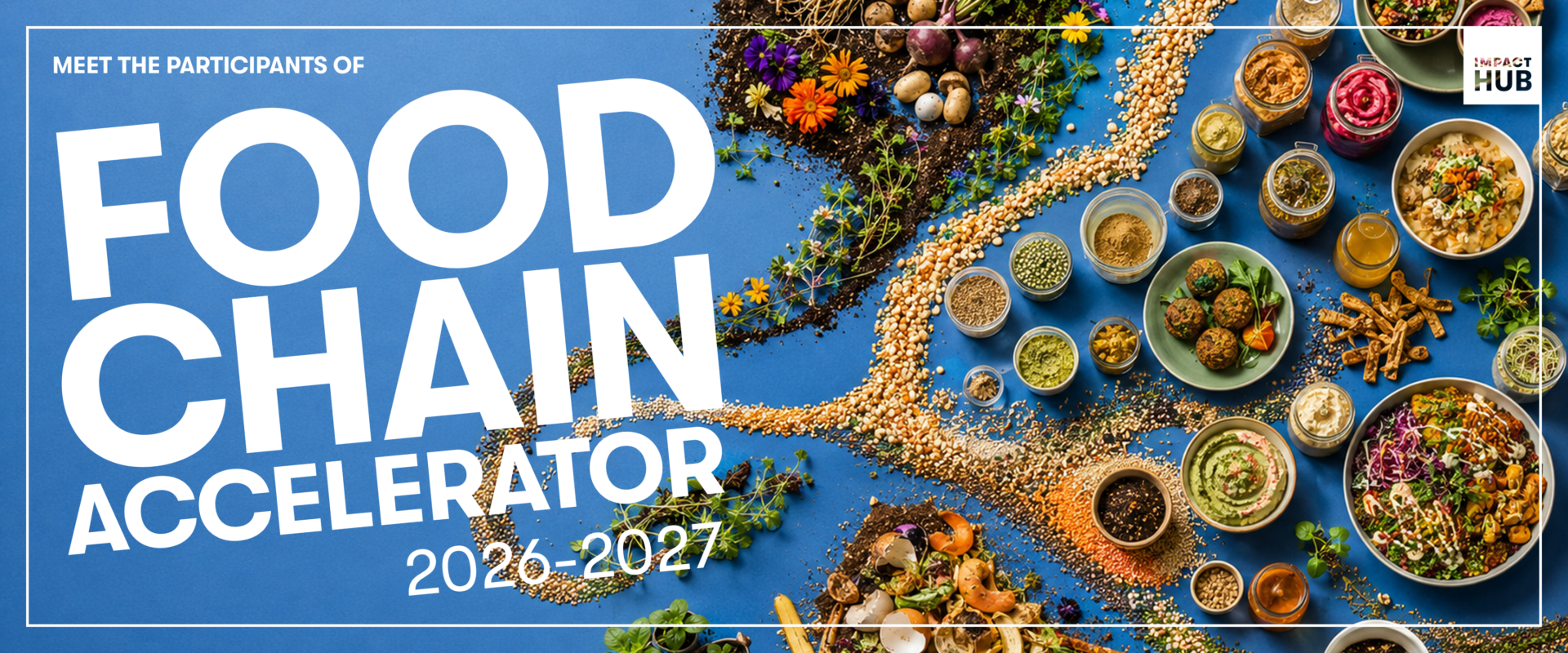
Meet the participants: Food Chain Accelerator 2026-2027
ABOUT FOOD CHAIN ACCELERATOR — The Food Chain Accelerator is Impact Hub Amsterdam’s growth programme for startups and scale-ups working towards a more sustainable, inclusive and resilient food system.
Through 11 programme days spread over six months, participants receive hands-on support to sharpen their business strategy, strengthen their organisation, measure their impact and prepare for investment and strategic partnerships.
The programme combines expert-led training, individual mentorship, peer learning and access to our network of food entrepreneurs, investors and industry partners.
From application to accelerator: the selection process
Finding the right ventures starts well before the programme itself.
For this edition, we identified more than 280 companies across the food ecosystem, reached out to 250 of them and held 53 in-depth conversations with potential participants.
Our expert selection committee then helped us select the final cohort, bringing together perspectives from trusted experts and advisors from our network.
The result? Ten ventures with different approaches to food innovation, united by the ambition to build a food system that works better for people and the planet.
PROGRAM PARTNERS


What's ahead for the 2026–2027 cohort?
The programme officially kicks off on 22 September 2026, bringing the ten participating ventures together for the first time.
Over the following six months, they’ll work through the challenges that come with growing an impact-driven food business. From refining their long-term strategy and financial models to measuring impact, building stronger teams, developing commercial partnerships and preparing for investment.
Along the way, they’ll receive individual guidance from experienced entrepreneurs, exchange knowledge with their peers and connect with potential partners throughout the food value chain.
The programme concludes with Demo Day in March 2027, when participants will present their ventures to a network of impact investors and strategic partners.
Now, let’s meet the entrepreneurs behind this year’s cohort!
Participants FCA 2026-2027
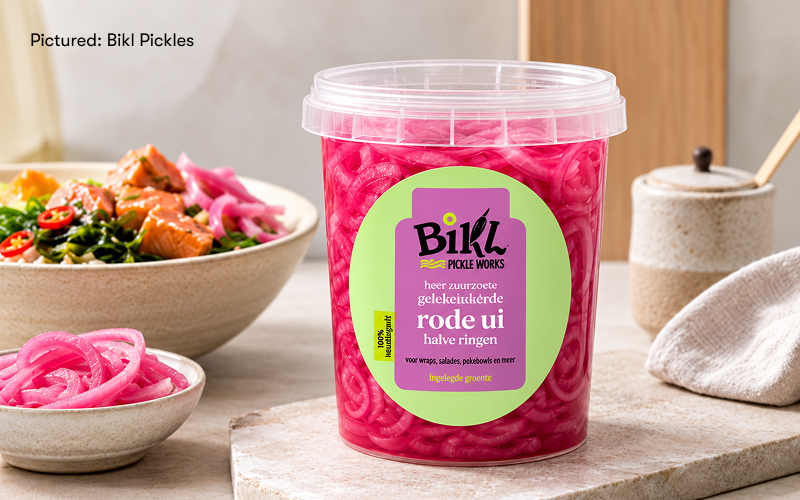
Bikl Pickles (Tjebbe van Meeteren) creates fresh, 100% natural pickled and fermented products for the hospitality sector.
What you won’t find in their jars? E-numbers, chemical vinegar, or artificial colors and sweeteners. While standard supermarket jars are the reference point for most Dutch consumers, chefs know the true culinary potential of fresh sweet-sour profiles and fermentation.
Bikl Pickles is on a mission to put real, deep, and completely natural flavors back on the map, starting with top chefs, and soon expanding to retail.
Double Triple Foods (Kristof Mertens) is a Foodtech startup that has developed a cost-effective technology for the milking of non-soy legumes; think chickpeas, fava beans, peas, et cetera.
They create a complete nutritional base for various plant-based dairy products like yogurt, cream, milk or ice cream. By using locally grown legumes, they aim to stimulate regenerative agriculture and to provide farmers with new opportunities for diversification.
The company’s ambition is to ensure that more plant-based foods are consumed in Europe by directly converting locally grown crops into human food and thereby also stimulating regenerative agriculture.
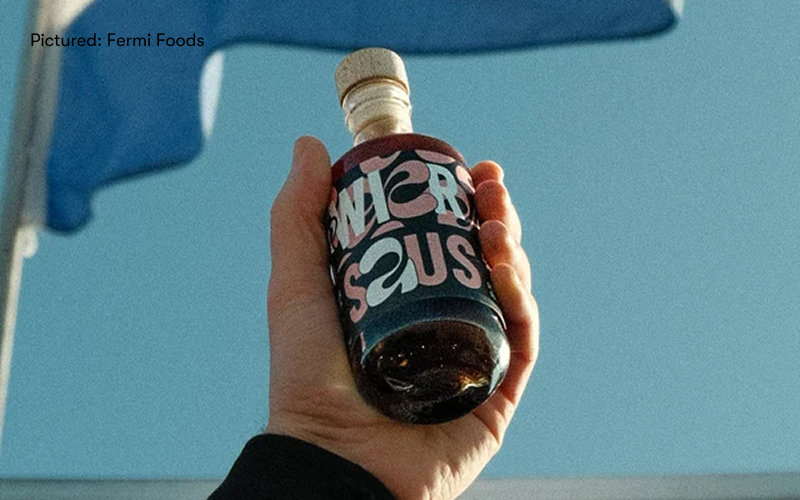
Fermi Foods (Splinter Dreesmann & Josh Kröse) is a fermentation company specialized in the production of natural flavorings from local ingredients and waste streams.
Their fermented flavorings are beneficial to both sides of the chain: suppliers can receive a good price for their ingredients and/or residual streams through value creation, and customers enjoy the taste and sustainability.
Fermi aims to give regeneratively grown crops and residual streams a permanent place in the food system, thereby contributing to biodiversity in the Netherlands.
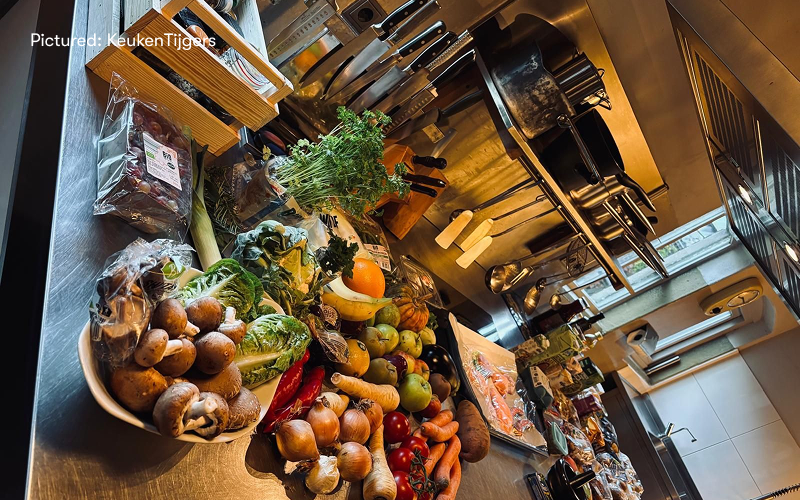
In healthcare, food and drinks are often treated as an afterthought, despite their critical importance. Proper nutrition is essential for physical health and well-being, but mealtimes also provide vital moments of pleasure, social interaction, and personal autonomy.
Keukentijgers (Roel Venninckx, Wenda Kielstra & Yvette Magrijn) bridges this gap by providing specialized learning programs for healthcare workers, empowering them to elevate the standard of food and drink in care environments.
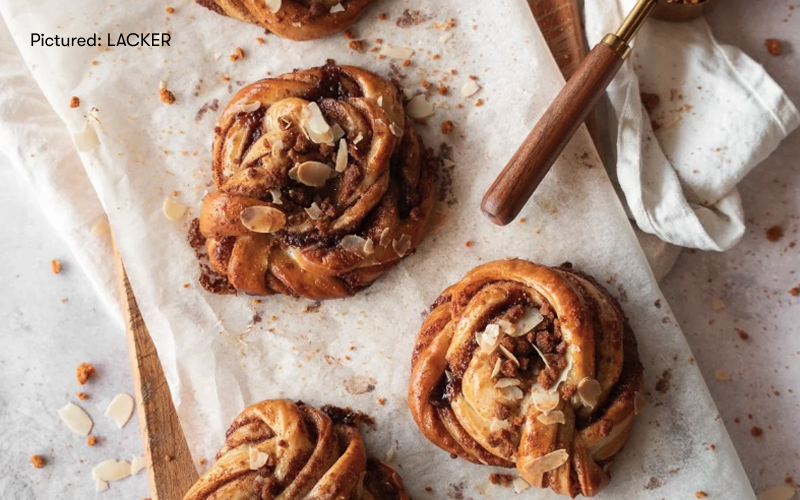
LÄCKER(Bart-Jan Veldhuizen) is a B2B bakery dedicated to producing high-quality, artisanal baked goods at scale. In recent years, the explosion of direct-to-consumer “new age” sourdough bakeries has significantly raised consumer expectations.
This created a market for true artisanal quality within foodservice and retail—a gap they filled by leveraging a first-mover advantage. Sourcing local, sustainble ingredients will create demand for farmers at scale.
While the food transition currently focuses heavily on changing systems and supply, everyday consumers are drifting further away from healthy, sustainable eating.
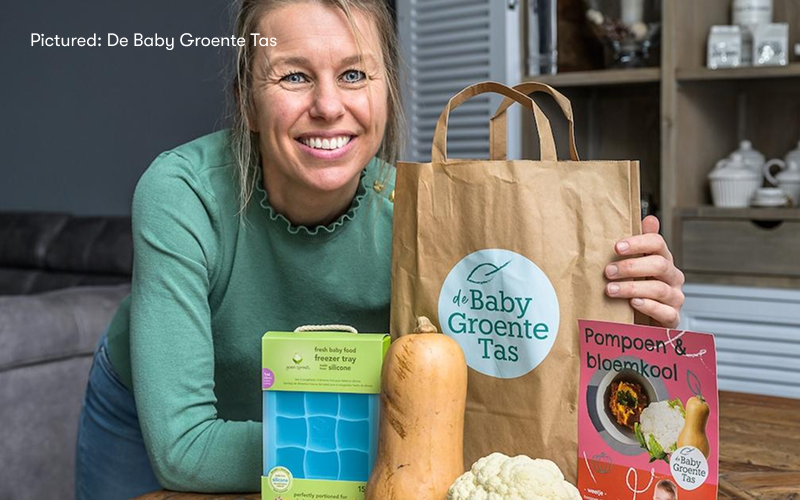
Baby Groente Tas (Floor Volker) positions itself as a bridge across this gap and a driver of behavioral change, by offering organic vegetables for baby food, to develop the tastebuds in a healthy way, for future healthy habits.
Through educational, organic, and scientifically proven solutions, the company aims to break intergenerational habits and ensure the next generation eats better than the last. The ultimate goal? To become a basic necessity in the Netherlands, reaching all at least the firstborn children welcomed every year.
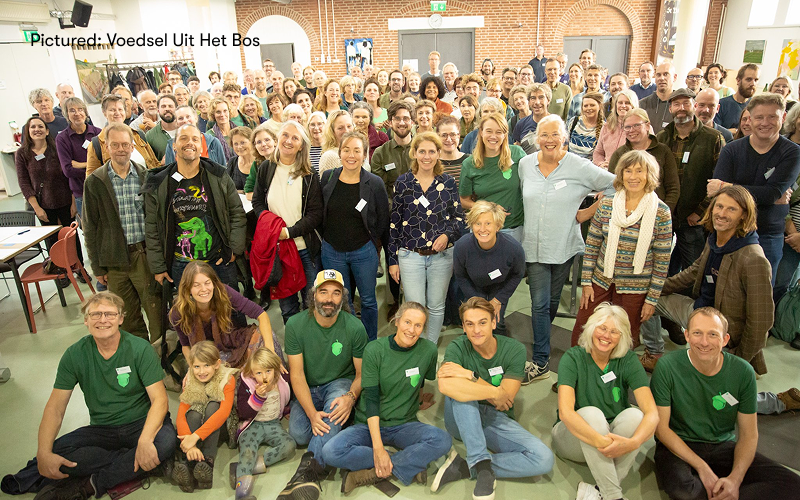
Vereniging Voedsel uit het Bos (Kay Krijnen) is on a mission to scale and professionalize the food forest movement, making it a fully-fledged part of the Dutch food system.
They envision a future where nature restoration, climate resilience, and local food production thrive alongside healthy business models.
To achieve this, they unite and support a growing bottom-up movement of action-takers — people who are actively buying land, planting productive trees, and harvesting crops. The company helps them succeed by providing knowledge, community building, communication, and project management.
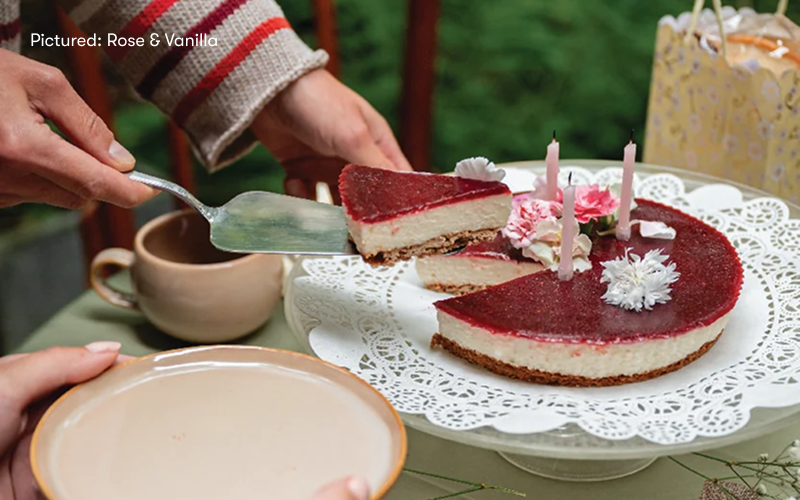
What happens when your children are lactose and gluten intolerant? Born as a mum’s solution for family desserts, these tarts became so popular with family and friends that there was only one thing left to do: open a patisserie, Rose & Vanilla (Erik de Wit).
The company has a simple goal: to make the very best tarts for everyone, regardless of diet or allergy. They are exactly like the tarts you would find in a traditional patisserie, but organic, gluten-free, dairy-free, soy-free, palm oil-free, free from artificial colors and refined sugars, and almost entirely vegan.
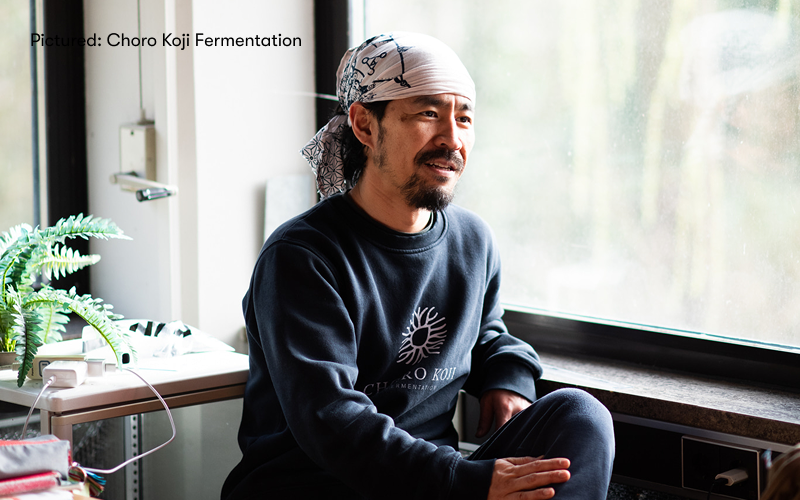
Choro Koji Fermentation (Hiroki Kudo) is an artisanal, small-batch fermentation micro-brewery based in Rotterdam, specializing in handcrafted Japanese koji, miso, shoyu, and non-alcoholic sake.
They pioneer sustainable, allergen-friendly brewing by utilizing 100% locally sourced buckwheat. Their focus is on natural fermentation, direct-to-consumer and restaurant partnerships, and supporting biodiversity and regenerative agriculture.
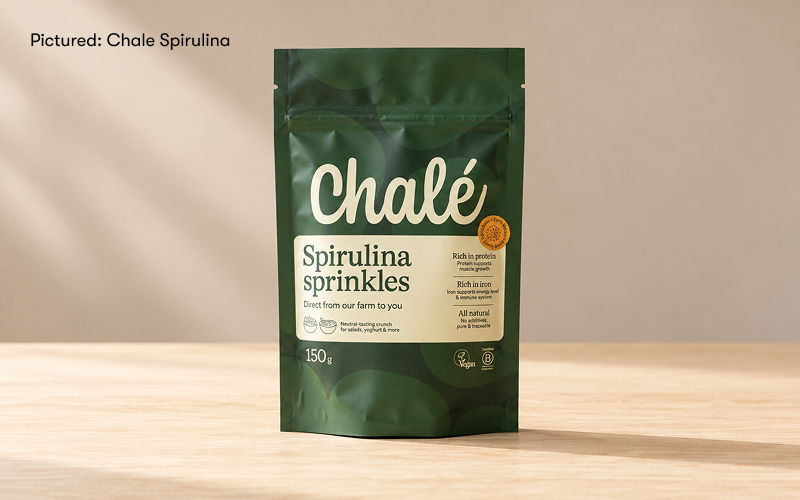
Chalé Spirulina (Floris Zevenbergen & Ruben Bun) cultivates premium, nutrient-rich spirulina on its own farm in Kumasi, Ghana, supplying both consumers and B2B partners in the Netherlands.
While today’s health and supplement market is booming, it is often enriched with synthetic fillers, confusing claims, and false miracle cures.
Chalé cuts through the noise with an ancient, completely natural superfood that has nourished humanity for centuries. Grounded in the belief that food should be honest, empowering, and joyful, Chalé Spirulina creates real, sustainable impact by delivering a pure, transparent product and reshaping broken global value chains.
Partner with us to drive food innovation
Building a more sustainable food system takes more than promising ideas. Entrepreneurs also need the right expertise, connections and resources to turn those ideas into businesses that can grow.
Are you a municipality, foundation or organisation looking to support food entrepreneurs? Together, we can develop venture support programmes that help promising innovations reach new markets, build stronger value chains and create lasting impact.